 Foodora Wellness
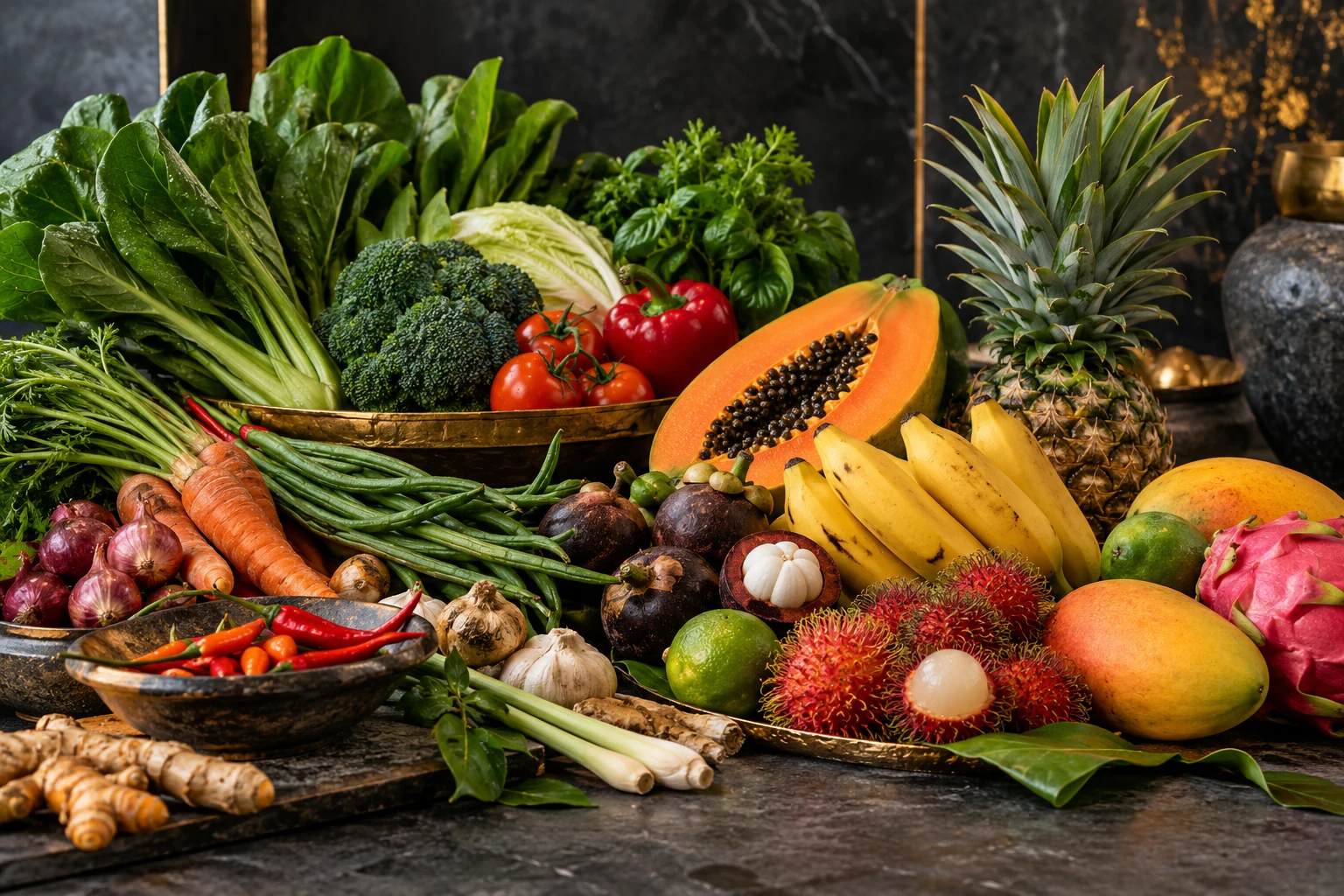
Visit a local produce stall or open the pantry and you may already find a wonderful range of fiber-rich foods. Beans, lentils, vegetables, fruit, oats, and whole grains appear in many everyday dishes. Learning to recognize these ingredients is a useful step toward exploring food variety and creating more interesting meals.
Foodora Wellness approaches this topic through everyday choices and cooking possibilities. Instead of attaching dramatic promises to an ingredient, we look at where different foods fit, how they taste, and how to combine them in enjoyable ways.
Discover familiar sources of fiber
Many plant foods contain fiber. You do not need to make complicated recipes to explore them. Choosing a variety of beans, grains, fruits, and vegetables across the week can introduce different textures and flavors to the table.
Beans, lentils, and legumes
Red beans, mung beans, chickpeas, lentils, and other legumes can be added to soups, rice dishes, warm bowls, or salads. They offer a useful combination of familiar flavors and versatile cooking methods. Choose the varieties available locally and cook them in a way that suits the dish.
Whole grains and oats
Oats can be used for breakfast bowls, while whole-grain bread or brown rice may bring a different texture to lunches and dinners. Some people enjoy mixing grains gradually with familiar staples. Variety can be introduced according to personal taste rather than as an abrupt change.
Vegetables and leafy greens
Spinach, cabbage, carrots, long beans, broccoli, and other vegetables can be served fresh or cooked. A stir-fry, soup, or colorful side dish is a straightforward way to use several vegetables together. Seasonal choices may change from market to market.
Everyday fruit
Bananas, papaya, guava, oranges, apples, and other fruit can add color and texture to a snack or meal. Choose what you enjoy, what is available, and how you prefer to serve it. Fresh fruit can work in a breakfast bowl or simply on its own.
Build variety with familiar meals
Try adding beans to a soup you already make. Serve a favorite rice dish with an extra vegetable. Use oats with sliced fruit for breakfast, or experiment with whole grains as part of a lunch bowl. These ideas are flexible and do not require a complete change in household cooking.
Flavor matters too. Herbs, citrus, and familiar spices can make ingredients appealing in a new combination. A bean salad with lime and fresh vegetables feels different from a warming bean soup, even when the main ingredient is the same.
Keep shopping and cooking practical
Buy amounts that fit your household, check storage instructions, and plan how ingredients could appear in more than one dish. For dried beans and grains, follow package guidance for cooking. If one ingredient is unfamiliar, try a small recipe before adding it to the regular shopping list.
A varied food routine is built by exploring what works at your table. Fiber-rich ingredients offer many possibilities for that exploration, from breakfast to shared dinners. Continue with the Nutrition Basics guide for a broader look at food groups and everyday plate ideas.