 Foodora Wellness
A food plan that makes room for real life.
Use small planning habits to simplify grocery shopping, combine everyday ingredients, and keep meals flexible when your schedule changes.
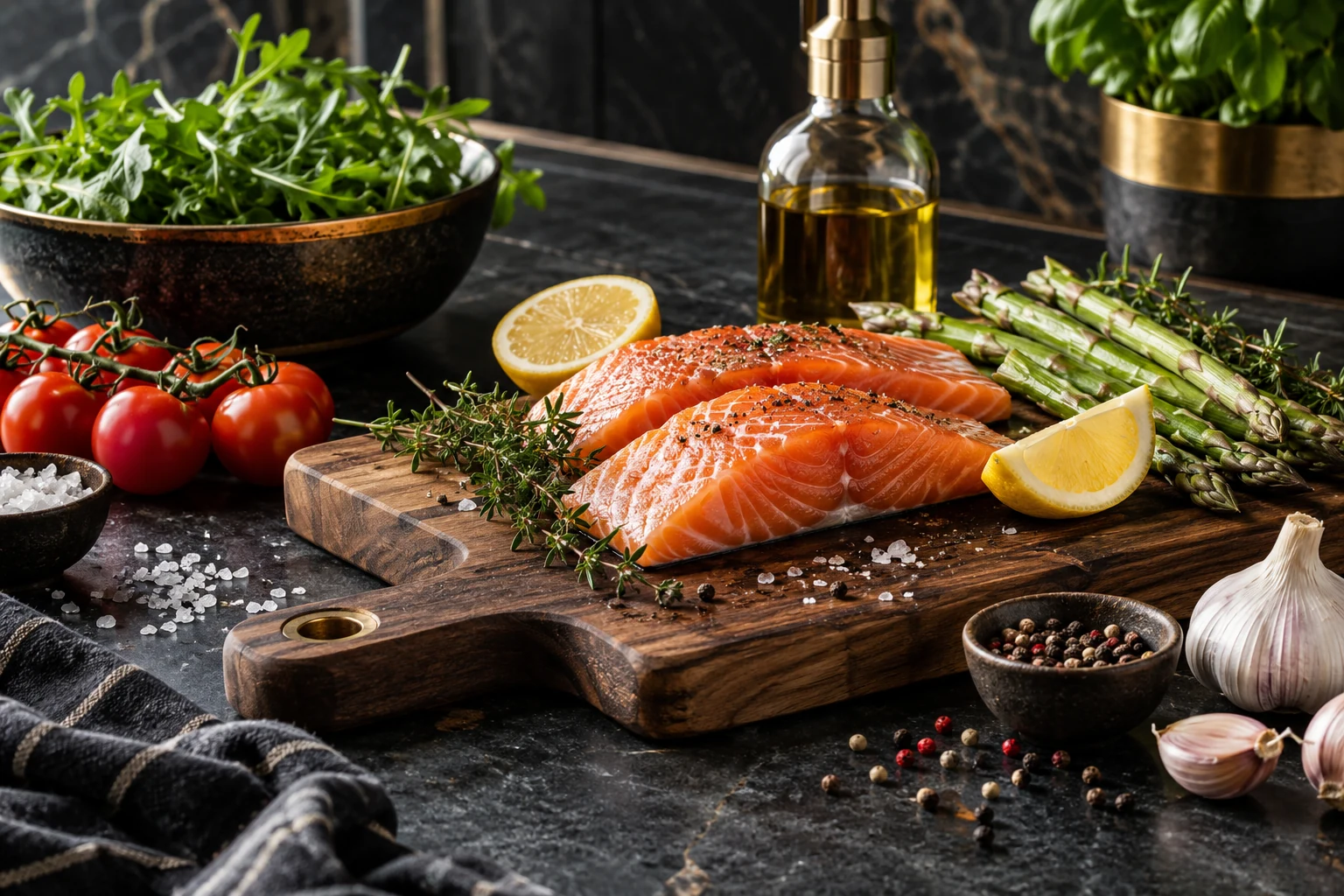
Plan enough to make the week easier.
You do not need an exact menu for every hour of the week. Begin by looking at the days ahead: when will cooking feel easy, when will time be limited, and which meals are most helpful to decide in advance?
Choose two or three reliable dishes, one versatile grain or staple, a few vegetable options, and proteins that can be used in different combinations. This creates a framework while leaving room for leftovers, shared meals, and local market discoveries.
A practical grocery list works best when it reflects what you already have. Before shopping, check your rice, oats, beans, seasonings, and refrigerated ingredients. Then write a short list grouped by produce, staples, and other favorites.
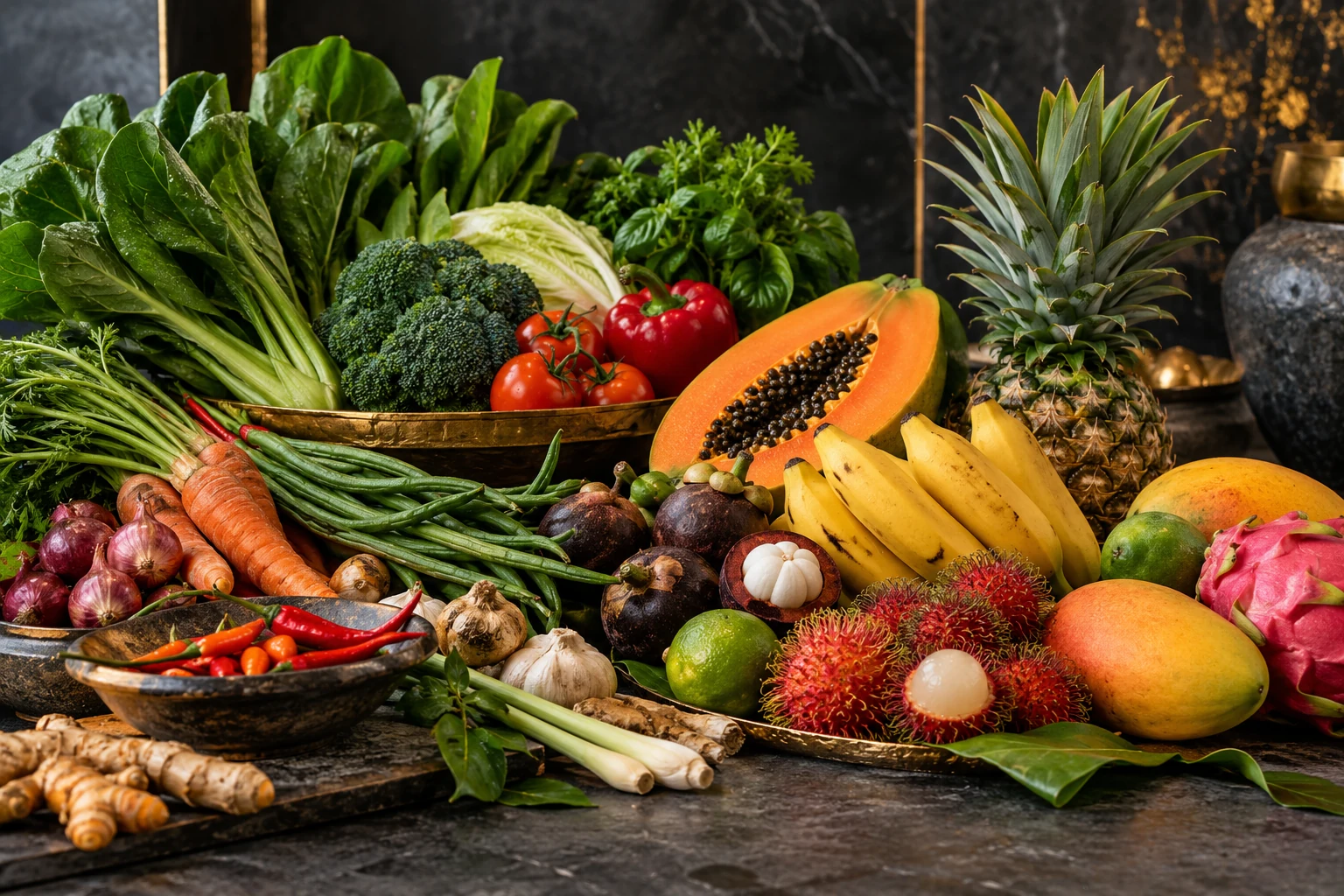
Ideas for breakfast, lunch, and dinner.
These examples are starting points that can be adjusted for individual preferences, changing schedules, and the ingredients available in your part of Indonesia.
Breakfast without a rush
Try oats with banana and nuts, eggs with toast and fresh tomato, or rice with vegetables from the previous evening. Keep the ingredients in a familiar place for a simpler start.
Portable workday lunches
Pack rice with sautéed greens and tofu, a grain bowl with beans, or a wrap with vegetables and a favorite filling. Store each element appropriately until it is time to eat.
Flexible dinner combinations
Combine a staple with cooked seasonal vegetables and a familiar protein food. A quick stir-fry, a warming soup, or a shared table of simple dishes can all work.
Small habits that support an organized pantry.
Keep commonly used grains and dry goods in clearly marked containers. Group seasonings by how you cook, and check stored items before purchasing duplicates. Place ingredients that will be used soon in an easy-to-see area.
Choose versatile ingredients
Across Indonesia, rice, tempeh, tofu, leafy greens, carrots, eggs, and seasonal fruits can form the basis of many meals. The same vegetable might be added to a stir-fry, a simple soup, or a lunch bowl. One ingredient with several possible uses creates more options.
Keep kitchen sessions manageable
Wash and arrange produce when appropriate, set aside a few minutes for planning, and decide which tasks are most practical to do ahead. Follow suitable storage guidance for perishable foods and use clean containers. It is fine to cook some components fresh on the day.
Review and adapt
At the end of the week, notice which ingredients were useful and which plans were too ambitious. Your next list can be shorter, more varied, or based on a new seasonal choice. A plan improves when it responds to everyday life.
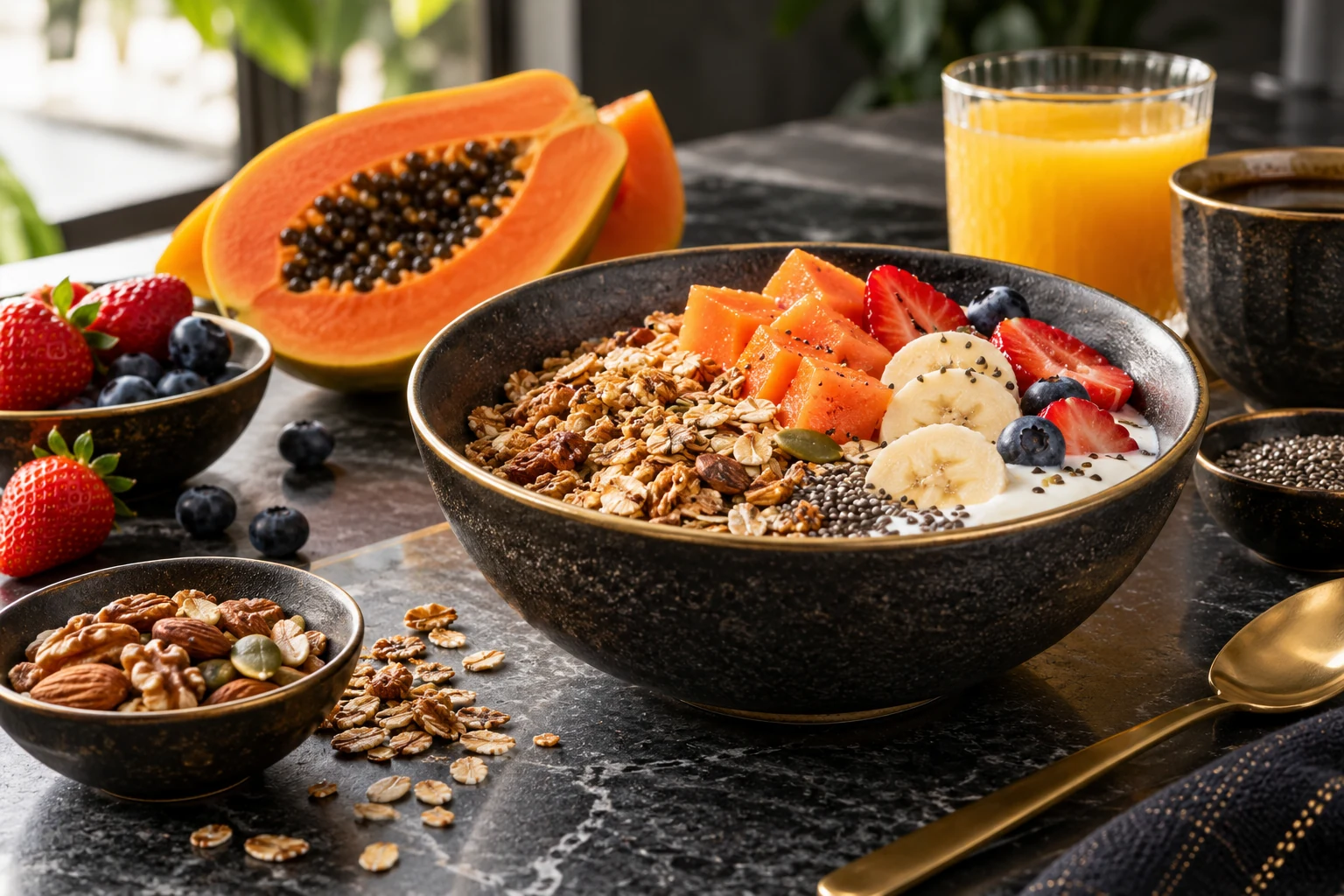
Leave room for shared tastes.
Household members may enjoy different flavors and meal timing. A practical approach is to keep versatile components separate, letting everyone assemble combinations they prefer. A base of rice, vegetables, and several topping options can be more adaptable than one fixed plate.
Shopping seasonally may also make planning more interesting. Use the ingredients that look appealing at the market, then choose a simple way to combine them with what you have at home.
Read the complete weekly guide ↗Explore a planning routine that fits you
Share your food interests and preferred time to discuss the everyday decisions behind your weekly meals.